

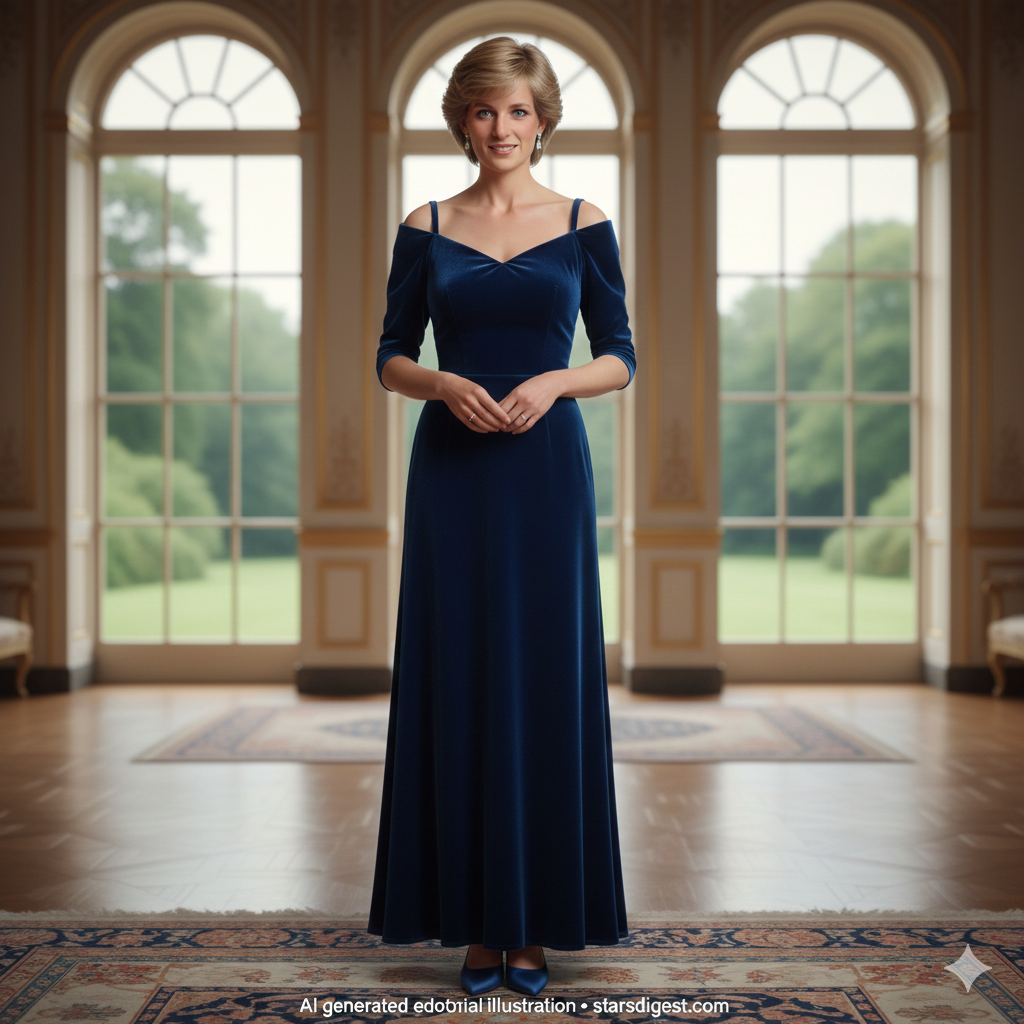
Basic Information
Name: Diana, Princess of Wales
Caption: British royal family member and global humanitarian icon
Birth Name: Diana Frances Spencer
Born: 1 July 1961
Birth Place: Sandringham, Norfolk, England
Nationality: British
Other Names: Princess Diana, Lady Diana Spencer (Before Marriage), The People’s Princess (Media nickname)
Occupation: Member of the British Royal Family (by marriage), Humanitarian, Charity Advocate
Years Active: 1981 – 1997 (Royal Public Life Era)
Height: 178 cm (5 ft 10 in approx)
Spouse / Partner: Charles, Prince of Wales (Married 1981 – Divorced 1996)
Children: Prince William, Prince Harry
Royal Role: Princess of Wales
Net Worth: Not defined in traditional celebrity terms (Royal financial structure differs from private wealth models)
Introduction
Diana, Princess of Wales is widely regarded as one of the most beloved and culturally influential royal figures in modern history. Known for her compassion, emotional openness, and humanitarian activism, Princess Diana reshaped global expectations of royal public life.
What made Diana historically unique was her emotional connection with ordinary people. She moved beyond traditional royal distance and became known for physically comforting patients, speaking openly about difficult social issues, and using her global platform to raise awareness for humanitarian causes.
Her story represents empathy, public vulnerability, and global humanitarian impact. From a young aristocratic British upbringing to becoming one of the most loved public figures in the world, her journey reflects compassion and emotional strength.
Early Life and Childhood
Diana Frances Spencer was born on July 1, 1961, into a British aristocratic family. She grew up in environments connected to royal and upper-class social circles, but her childhood included emotional challenges, including her parents’ separation.
Despite privilege, Diana often described feeling emotionally sensitive and shy growing up. She showed strong interest in music, dance, and caring for others, which later shaped her humanitarian personality.
During her teenage years, she was known for kindness, emotional warmth, and strong empathy toward others — traits that later defined her public image.
Early Adult Life — Pre-Royal Public Identity
Before entering royal life, Diana worked in childcare and early childhood education roles. She enjoyed working with children and often preferred private, normal life experiences rather than aristocratic social attention.
This background later helped her connect naturally with families, children, and everyday citizens during her royal years.
Royal Marriage — Global Spotlight Transformation
Diana’s marriage into the British royal family became one of the most globally watched events in modern history. Almost overnight, she became one of the most photographed and discussed women in the world.
Her transition into royal life was emotionally challenging due to intense global media attention and strict royal protocol expectations.
Royal Public Role — Redefining Royal Humanity
As Princess of Wales, Diana transformed how the public viewed the monarchy. She became known for personal connection during charity visits, often breaking traditional royal formality by hugging patients, especially children and hospital patients.
Her humanitarian focus included:
HIV/AIDS awareness
Landmine awareness campaigns
Homelessness support
Children’s hospital support
Mental health discussion
At a time when HIV patients were heavily stigmatized, her public support helped reduce global fear and misunderstanding.
Media Pressure and Personal Challenges
Diana lived under intense global media pressure. Her personal life struggles became highly publicized, creating emotional stress and global media debate around privacy and celebrity treatment.
Despite these pressures, she continued humanitarian work and public service.
Post-Royal Working Era — Independent Humanitarian Focus
After stepping away from full royal marriage structure, Diana focused heavily on global humanitarian campaigns. She traveled internationally raising awareness for landmine victims and global humanitarian crisis areas.
Global Cultural Influence
Diana became one of the first global “modern celebrity humanitarian” figures. She used media attention strategically to highlight global social issues rather than personal publicity.
Her fashion also influenced global trends, but she often used fashion visibility to support charity campaigns and public awareness messaging.
Motherhood and Personal Identity
Diana emphasized being a hands-on parent. She wanted her children to experience life outside royal privilege, including normal school environments and exposure to everyday public life.
Tragic Death — Global Historical Moment
Diana died in 1997 in a car crash in Paris. Her death caused global mourning on an unprecedented scale. Millions of people worldwide publicly grieved her passing.
Career Evolution Timeline
Princess Diana’s life evolved from aristocratic British child to young royal public figure, then to global humanitarian icon, and finally to one of the most emotionally impactful public figures of the late 20th century.
Legacy and Historical Importance
Princess Diana helped permanently change how royal figures engage with the public. She helped reduce stigma around major health and social issues. She helped create the modern celebrity humanitarian model. She remains one of the most loved public figures in modern history.
Conclusion
Princess Diana’s story is one of compassion, emotional honesty, and global humanitarian impact. From a shy young woman entering royal life to becoming one of the most loved figures in the world, her journey reflects empathy and courage.
Her legacy continues shaping modern royal public engagement, celebrity humanitarian work, and global public compassion movements. Princess Diana remains one of the most iconic public figures in modern history.