

Basic Information
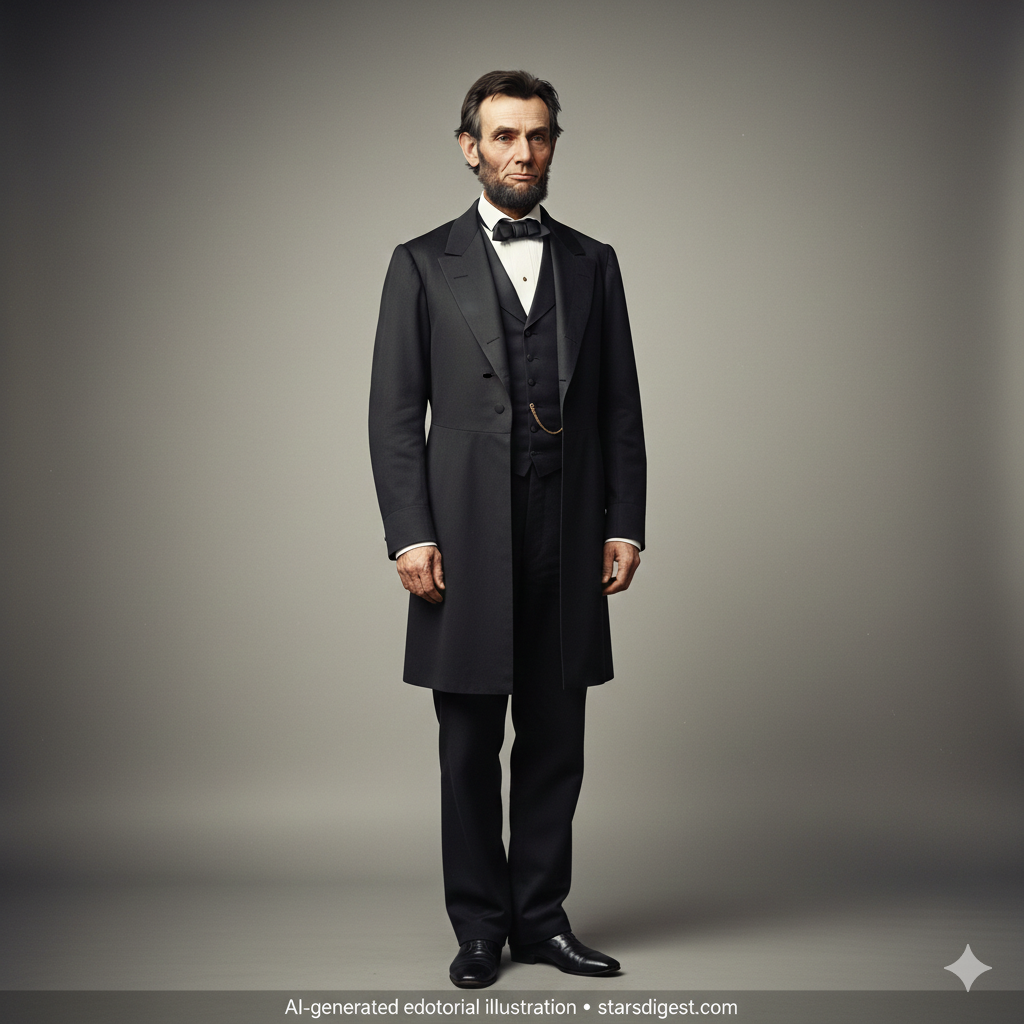
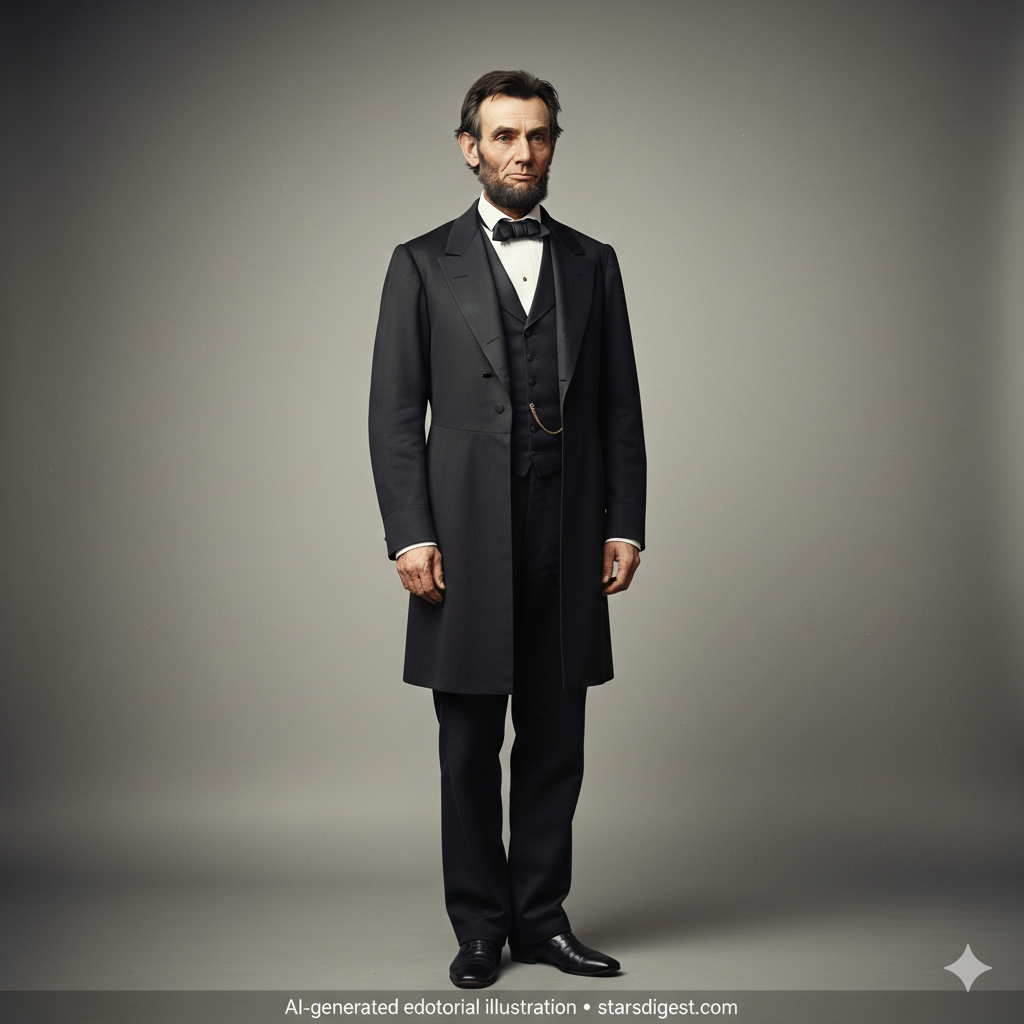
Name: Abraham Lincoln
Caption: 16th President of the United States and leader during the American Civil War
Birth Name: Abraham Lincoln
Born: 12 February 1809
Birth Place: Hodgenville, Kentucky, United States
Nationality: American
Other Names: Honest Abe
Occupation: Politician, Lawyer, Statesman
Years Active: 1830s – 1865
Height: 193 cm (6 ft 4 in approx)
Spouse / Partner: Mary Todd Lincoln (Married)
Children: Robert Todd Lincoln, Edward Baker Lincoln, William Wallace Lincoln, Thomas Lincoln
Political Party: Republican (Earlier: Whig Party)
Known For: Preserving the United States during the Civil War, Ending Slavery (Emancipation Proclamation)
Net Worth: Not applicable in modern celebrity sense (Historical public servant)
Introduction
Abraham Lincoln is widely regarded as one of the greatest political leaders in world history and one of the most important figures in the development of modern democracy. As the 16th President of the United States, Lincoln led the country through its most dangerous internal crisis — the American Civil War — and played a central role in ending slavery in the United States.
What makes Lincoln historically extraordinary is not only his leadership during war, but his moral vision. He believed deeply in the idea that democracy must survive and that all people deserved basic human freedom. His presidency reshaped the United States politically, socially, and morally.
His story is one of perseverance, self-education, and moral courage. From growing up in poverty on the American frontier to becoming one of the most respected leaders in history, Lincoln’s life reflects determination and ethical leadership.
Early Life and Childhood
Abraham Lincoln was born on February 12, 1809, in a small log cabin in Kentucky. His early life was defined by poverty, hard labor, and limited access to formal education. His family moved multiple times as they searched for better land and economic stability.
Despite limited schooling, Lincoln developed a strong love for reading. He borrowed books whenever possible and educated himself through independent study. He read history, law, literature, and philosophy, building intellectual depth without formal university education.
His childhood hardships shaped his empathy toward working-class people and those facing social injustice.
Self-Education and Early Adult Life
As a young man, Lincoln worked multiple jobs, including farm labor, store clerk work, and manual labor. During this period, he continued self-education and eventually began studying law independently.
He became known locally for intelligence, honesty, and strong storytelling ability. His natural communication skills later became one of his greatest political strengths.
Eventually, he became a lawyer, building a strong reputation for logical thinking and fairness in legal cases.
Entry Into Politics
Lincoln entered politics during a time when the United States was expanding westward and facing growing political division around slavery. Early in his political career, he focused on economic development, infrastructure, and national unity.
He gradually became more outspoken about the moral and political dangers of slavery expansion into new territories.
Rise to National Leadership
Lincoln gained national attention during political debates focused on slavery expansion and national unity. His speeches emphasized the idea that a nation divided on slavery could not remain stable long-term.
His political philosophy focused on preserving the Union while gradually working toward ending slavery.
Presidency and the American Civil War
Lincoln became President during one of the most dangerous moments in American history. Shortly after his election, several Southern states left the United States, leading to the American Civil War.
During the war, Lincoln faced enormous pressure. He had to lead a divided nation, manage military strategy, and maintain international diplomatic stability.
His leadership helped preserve the United States as a single nation.
The Emancipation Proclamation — Ending Slavery
One of Lincoln’s most important historical decisions was issuing the Emancipation Proclamation, which declared enslaved people in rebelling states to be free.
This decision transformed the Civil War from a political conflict into a moral fight for human freedom. It also changed global perception of the war and strengthened support for the Union cause internationally.
Leadership Style and Moral Philosophy
Lincoln was known for calm decision-making, empathy, and deep moral reflection. He often spent long periods considering major decisions rather than reacting emotionally.
His speeches often focused on unity, equality, and national healing rather than revenge or division.
Personal Life and Emotional Strength
Lincoln’s personal life included tragedy and emotional hardship. He experienced loss of children and carried deep emotional burdens during the Civil War years.
Despite this, he maintained leadership focus and strong moral clarity during national crisis.
Assassination and National Mourning
In 1865, shortly after the Civil War ended, Lincoln was assassinated. His death shocked the nation and the world. He became a symbol of sacrifice for democracy and national unity.
Awards and Recognition (Historical Legacy)
Lincoln is widely considered one of the greatest presidents in United States history. His leadership is studied globally in political science, leadership theory, and ethics education.
Career Evolution Timeline
Abraham Lincoln’s life evolved from frontier poverty to self-educated lawyer, then to national political leader, and finally to one of the most respected democratic leaders in world history.
Legacy and Historical Importance
Abraham Lincoln helped preserve the United States during its greatest crisis and played a central role in ending institutional slavery. His leadership redefined democracy, national unity, and civil rights foundations. He is widely considered one of the most morally respected political leaders in global history.
Conclusion
Abraham Lincoln’s story is one of perseverance, moral courage, and leadership during crisis. From humble frontier beginnings to becoming one of the most influential leaders in history, his life reflects the power of self-education, ethical decision-making, and dedication to national unity.
His legacy continues influencing global leadership philosophy, civil rights movements, and democratic governance ideals. Abraham Lincoln remains one of the most respected historical figures in world political history.