
Basic Information
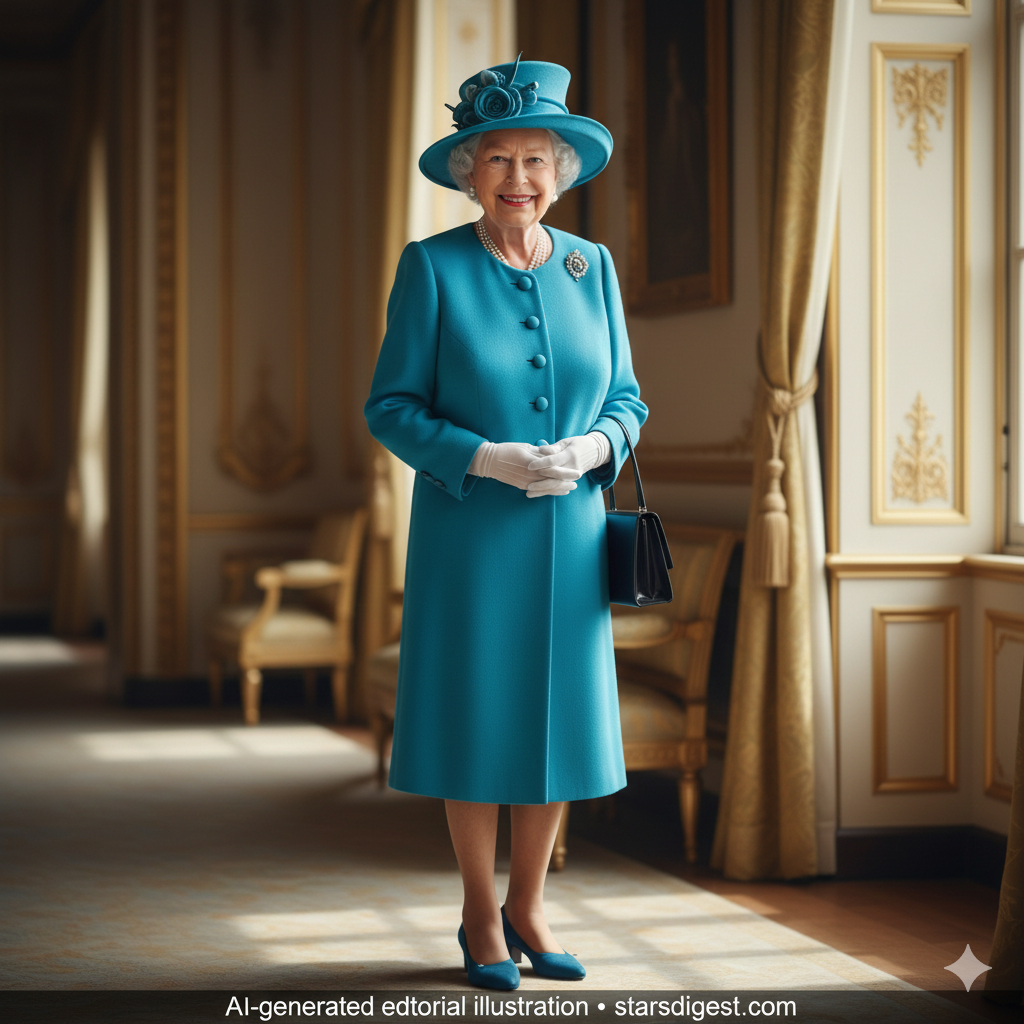
Name: Elizabeth II
Caption: Queen of the United Kingdom and Commonwealth realms (1952–2022)
Birth Name: Elizabeth Alexandra Mary Windsor
Born: 21 April 1926
Birth Place: Mayfair, London, England
Nationality: British
Other Names: Her Majesty The Queen, Lilibet (Family nickname)
Occupation: Monarch, Head of State, Head of the Commonwealth, Supreme Governor of the Church of England
Years Active: 1936 (Royal Public Life) – 2022
Height: 163 cm (5 ft 4 in approx)
Spouse / Partner: Prince Philip, Duke of Edinburgh (Married 1947–2021)
Children: King Charles III, Princess Anne, Prince Andrew, Prince Edward
Reign: 1952 – 2022
Net Worth: Not publicly defined (Royal wealth structure differs from private wealth models)
Introduction
Elizabeth II was one of the most recognizable and historically significant monarchs in world history and the longest-reigning British monarch. Known for her unwavering sense of duty, calm public presence, and commitment to constitutional monarchy, she became a global symbol of stability across decades of political, social, and technological change.
What made Queen Elizabeth II historically unique was the length and timing of her reign. She ruled through post-World War II reconstruction, the Cold War, the digital revolution, and the modern globalization era. Few leaders in world history have witnessed and symbolically represented such dramatic historical transformation.
Her story represents duty, continuity, and public service. From being a young princess unexpectedly thrust toward the throne to becoming one of the most recognized leaders in modern history, her life reflects discipline and dedication to public responsibility.
Early Life and Childhood
Elizabeth Alexandra Mary Windsor was born on April 21, 1926, in London. At birth, she was not expected to become queen. Her father was not originally expected to become king, meaning her early childhood was relatively normal for royal standards.
She was educated privately, focusing on history, constitutional law, and languages. From a young age, she was trained in royal protocol and public responsibility, though her future role was still uncertain.
Her childhood changed dramatically when her uncle abdicated the throne, making her father king — and placing Elizabeth directly in line to become the future monarch.
World War II — Early Public Duty
During World War II, Elizabeth became a symbol of national morale. As a teenager, she made radio broadcasts supporting British children and later trained in wartime service roles, learning mechanical and driving skills.
This period helped shape her lifelong belief in service, discipline, and national duty.
Becoming Queen — A Young Monarch
Elizabeth became queen at a very young age following her father’s death. Her coronation marked the beginning of a new era for the British monarchy — one that required adapting ancient royal traditions to modern media and global public visibility.
From the beginning of her reign, she focused on constitutional neutrality, meaning she served as a national symbol rather than a political decision-maker.
The Longest Reign — A Global Symbol of Stability
Over decades, Queen Elizabeth II became one of the most recognizable public figures on Earth. She met hundreds of global leaders, witnessed massive geopolitical changes, and served as a symbol of continuity during national and global crises.
Her reign saw the transformation of the British Empire into the modern Commonwealth — a global partnership of independent nations.
Leadership Style and Public Identity
Queen Elizabeth II’s leadership style was based on consistency, neutrality, and quiet strength. She rarely expressed political views publicly, instead focusing on national unity and stability.
Her calm public presence helped maintain trust in the monarchy during periods of political and social change.
Marriage and Partnership With Prince Philip
Her marriage to Prince Philip became one of the longest royal marriages in modern history. Their partnership balanced public duty with private family life across decades of global attention.
Family, Modern Monarchy, and Public Challenges
During her reign, the royal family experienced both public celebration and public controversy. Queen Elizabeth II maintained a steady leadership approach, focusing on institutional stability and long-term monarchy survival.
Global Diplomacy and Commonwealth Leadership
She played a major symbolic role in diplomacy, state visits, and global cultural representation. She helped maintain the Commonwealth as a major global diplomatic network.
Later Years and National Symbol Status
In later years, Queen Elizabeth II became a living historical symbol. Multiple generations of citizens in the UK and globally saw her as a constant presence in public life.
Passing and Global Historical Moment
Her death in 2022 marked one of the most historically significant leadership transitions in modern monarchy history. Global leaders and citizens across the world marked her passing as the end of a historic era.
Awards and Recognition (Historical Legacy)
Queen Elizabeth II received countless global state honors and historical recognition. She is widely considered one of the most respected constitutional monarchs in modern history.
Career Evolution Timeline
Elizabeth II’s life evolved from young royal princess to wartime morale symbol, then to young queen, then to longest-reigning monarch, and finally to global historical symbol of stability and continuity.
Legacy and Historical Importance
Queen Elizabeth II helped modernize the British monarchy while preserving tradition. She helped transition the monarchy into the television and digital era. She remains one of the most globally recognized leaders in modern history and a symbol of stability across generations.
Conclusion
Queen Elizabeth II’s story is one of duty, stability, and historical continuity. From becoming queen at a young age to leading through one of the longest reigns in world history, her life reflects discipline and commitment to public service.
Her legacy continues shaping modern constitutional monarchy, global diplomacy symbolism, and national identity across the Commonwealth. Queen Elizabeth II remains one of the most historically important monarchs of modern times.